
Networking in the Age of AI: Why Human Trust Still Drives Career Success
Networking in the Age of AI: Why Human Trust Still Drives Career Success
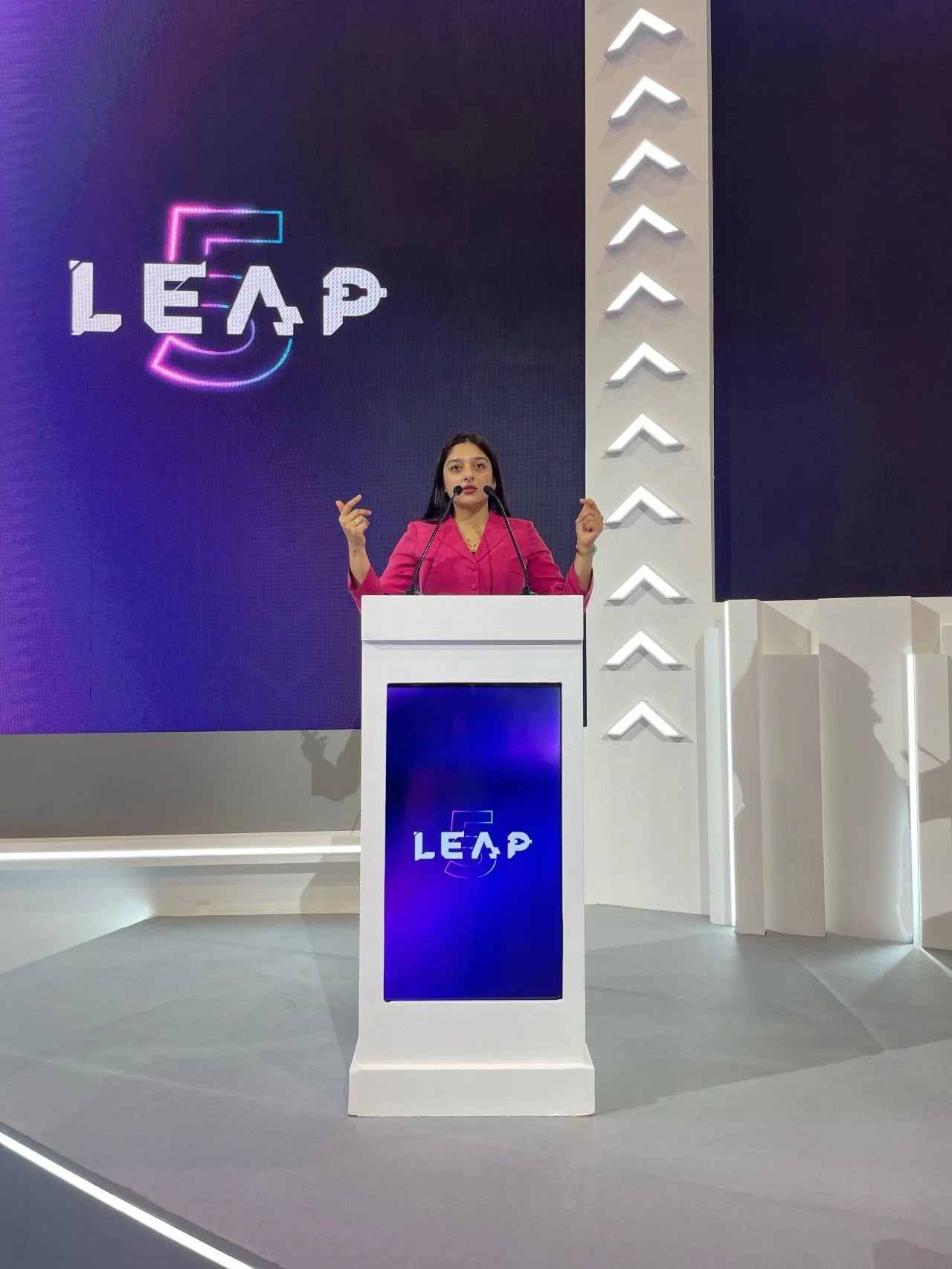
Not just the jobs we are doing or our communication, but also how we are generating income or a livelihood is being drastically altered by the role of artificial intelligence. The technological advancements of the day are changing the individual's perspective of how an individual goes about their job. In this age of artificial intelligence, almost every field of work is being impacted – from how we recruit to how we create content, how we generate new products, how we develop strategies with predictive analysis, and there’s nothing that impacts an individual's opportunities greater than human trust.
As conversations around AI and networking continue to grow, many professionals are asking the same question: if technology can do so much, does networking still matter?
My answer is a resounding “Yes, networking is more important than ever.”
Indeed, as the rise of AI has fueled increased awareness of the value of genuine human connections in the modern workplace, it is one of the most precious forms of career capital of the day.
The More Technology Advances, the More Trust Matters
The changes in the ways people work, over time, have been caused by technological advancements, but the ability to achieve what trust does is unusual.
Today, AI can compose emails, interpret data, create presentations, and even aid in the hiring process. Technology can, however, not offer the ultimate solutions to the types of questions that can affect a job.
Are they to be believed?
Will they deliver on their promises?
Would I recommend them to a friend, co-worker or employer?
These decisions remain very personal. The World Economic Forum's Future of Jobs Report states that employers are increasingly seeking skills like relationship building, communication, leadership, resilience, and collaboration, in addition to technical skills. AI can enhance productivity, but human-centered skills are still essential for successful careers.
That's one of the reasons I think networking is not dead by any means; it's coming into a new age.
Why AI Cannot Replace Professional Relationships
A major AI myth is that it can eventually replace the need for professional networks.
The opposite seems to be the case, what I see in industries.
With information becoming more easily accessible to people, they are increasingly valuing recommendations made by others they trust. In cases where more than one candidate is qualified and has access to the same AI tools, relationships, and reputation may be the deciding factor in the hiring decision.
I have lived through it too many times during my career. This hasn’t been confined to the world of technology, but has also spilled over into securing speaking slots, kick-starting new ideas, building strategic partnerships, and cultivating growing communities.
Efficiency is not a form of advocacy, though it can help people to become more efficient. People sell things that they trust.
The Future of Networking Is Human-Led and Technology-Enabled
Many people think of algorithms when they think of the future of networking and they envision a world where people are matched to an ideal opportunity.
While technology can assist in making introductions, it does not get you to meaningful relationships.
Creating trust is the result of consistency.
The way you build a sense of credibility is by action.
Credibility develops through action.
The following elements can't be fully automated.
AI assistants, virtual communities, and virtual spaces are all more than likely to play a role in the future of networking. However, the more successful networking will belong to individuals who recognize technology is not the destination but an option.
It's still all about human connection.
Moreover, it is one of the primary things that are touched in The New Rules of Networking. Networking is more than just collecting names or attending events to be seen. Value is created in the long-term when real relationships are developed to all parties.
Reputation Has Become a Competitive Advantage
Professional reputation is one of the most important changes in the future of work. In former generations, advancement in a career was largely determined by the way up the ladder within an organization. Nowadays, people are seeking to create poly-corporate, multi-industry, multi-project careers.
The way to career transitions is less direct, and reputation is more mobile.
While it's possible that people may not recall all the details on your CV, they are far more likely to recall how you made them feel, the value you added, whether or not they trusted you, and more.
This is where networking and reputation are so intertwined.
All interactions are part of your professional narrative.
All relationships are a factor of credibility.
Each recommendation represents an opportunity for the future.
In an economy powered by artificial intelligence, these human signals grow even more significant as they bring in some context that technology can no longer measure.
The New Rules of Networking in an AI Economy
In The New Rules of Networking, one of the networking concepts I discuss is that networking is an investment, not a transaction. This is even more relevant as AI evolves to change industries.
There are still many professionals who only network when it comes to finding a job, client, investor, or opportunity. The best networks are developed in advance of the needs, however.
New networking rules promote more of a giving mindset over taking. The question shouldn't be, "What can this person do for me?" Rather, it should be, "How can I create value for this relationship?
This attitude fosters trust.
Belief creates opportunities.
However, in a world where AI can do things, one of the only competitive benefits that cannot be copied at the snap of a finger is trust.
Creating Human Connections in a Digital-First World
Relationships and connections have morphed in the age of remote working, virtual meetings and digital platforms, but they don't seem to have disappeared.
The winners of the future of work will be emotional, intelligent professionals, supported by technology.
They will engage in valuable discussions and leverage AI for efficiency.
They will adopt automation and be genuinely human.
They'll not only gain visibility, but they will build trust.
Most importantly, they will understand that it is very hard to grow a career on their own.
Every opportunity has come through a relationship.
Trust is what lies behind each referral.
Behind every successful network is a genuine human connection.
Final Thoughts
AI is sure to keep reshaping the workplace. New tools will be made, industries will change, and the thskills of professions will keep evolving.
But one thing is always true: People believe people.
The future of networking is not about choosing between technology and relationships. It's about being aware of how technology can help build better relationships while knowing that trust is the foundation on which professional success is built.
The future of work is going to be won by those who are going to invest in innovation and people.
New Rules of Networking: How to Connect with People in Today's Ever-Changing World by Sonya Barlow has been released on Amazon and provides valuable advice on cultivating meaningful connections. The book offers today's frameworks and information for practitioners to create opportunities rooted in trust, visibility and real relationships.
FAQs
Will AI replace radio and television broadcasting?
Not necessarily. While digital networking is growing, it can be difficult to build strong connections and relationships in the digital space, but in person is a wonderful opportunity. Many people are successful at both.
How will emotional intelligence be a factor in the future of work?
Emotional Intelligence assists the professional in collaboration, leadership, conflict resolution, and relationship management. They are even more useful as more and more tasks are being automated.
How are the New Rules of Networking different from networking books?
The book examines the role of visibility, trust, community, and value creation in the long term on career opportunities in the digital-first world.
Do highly technical people still need to network?
Yes. Career opportunities, collaboration and leadership opportunities can be the result of relationships, not technical skills.